





How do I maximise sub-clover content in my pastures?

Author: Tim Prance, T Prance Rural Consulting
Stock Journal Article - September 2024
Sub-clover (and balansa clover) are annual plants that germinate from seed and establish at the break each year. The amount of seed produced, and the germination and survival of seedlings, is closely related to the grazing management during the previous spring then over summer and autumn. In turn, clover leaf production in winter is proportional to the amount of clover seed present in the soil.
A pasture with 400 kg/ha seed reserves will result in 5 x more clover in early winter compared to only 100 kg/ha seed reserves. A well-managed stand of sub clover (or balansa clover) could have seed reserves of 1500 kg/ha in the soil. This amount of seed well and truly covers a few false breaks, whereas 100 kg/ha seed reserves will struggle to produce a decent clover pasture, especially if it is competing with barley grass, brome grass and silver grass, because 30-50% of the clover seed will be hard i.e. will not germinate for another 3-5 years.
The good news is that you can turn 100 kg/ha clover seed reserves into 1500 kg/ha seed in a couple of years, even with a poor spring, just by grazing.
How to achieve 1500 kg/ha seed reserves?
- Most importantly graze to no higher than 4 to 5 cm height in spring (about 1200 to 1400 kg/ha). The harder the better – down to 2 cm. Hard grazing means less leaves and more flowers, and more flowers means more seeds. Hard grazing also means the clover burrs will be buried deeper in the soil rather than sitting unprotected on the surface.
- In spring you should be able to see white clover flowers. If you can’t see masses of white clover flowers you are not grazing hard enough! The grazing should be continuous. Don’t spell the pasture in spring then crash graze, otherwise you will remove the flowers. Stocking pressure should be 50-60 dse/ha to match clover growth and stop it becoming too rank.
- Hard spring grazing also results in significantly less red legged earth mite over summering eggs = less red mite next autumn with a similar reduction in red mite numbers to two insecticide sprays in autumn following germination.
- Hard spring grazing also means less annual grass in winter next year.
- Hard grazing in spring means less trash in the following autumn which in turn means more clover germinating/m2 after the break.
Obviously, you can’t hard graze every paddock in spring, but you only have to hard graze a clover paddock once every 3-4 years to keep seed reserves topped up to 1000-1500 kg/ha.
If the paddock is severely infested with silver grass you may have to use an herbicide in winter before applying the hard spring grazing, but I suggest you try the hard grazing first. You might be surprised how effectively it works. Of course, it helps if the paddock in not deficient in potash, sulphur or phosphorous, but the biggest impact on clover seed production is shading in spring.
The downside is that paddocks grazed hard in spring have much less carryover dry feed over summer, which will restrict or even preclude summer/autumn grazing. To minimize bare ground and capeweed/geranium and thistles the following year, aim to keep 100% ground cover of 1000 kg/ha dry pasture over summer and autumn.
Hard spring grazing also helps to regain clover content in phalaris, cocksfoot or perennial ryegrass paddocks, but in these paddocks, watch grazing during summer/autumn to maintain perennial grass cover.
Don’t encourage sheep to dig up clover burrs in autumn. At $10,000/tonne it is very expensive supplementary feed.
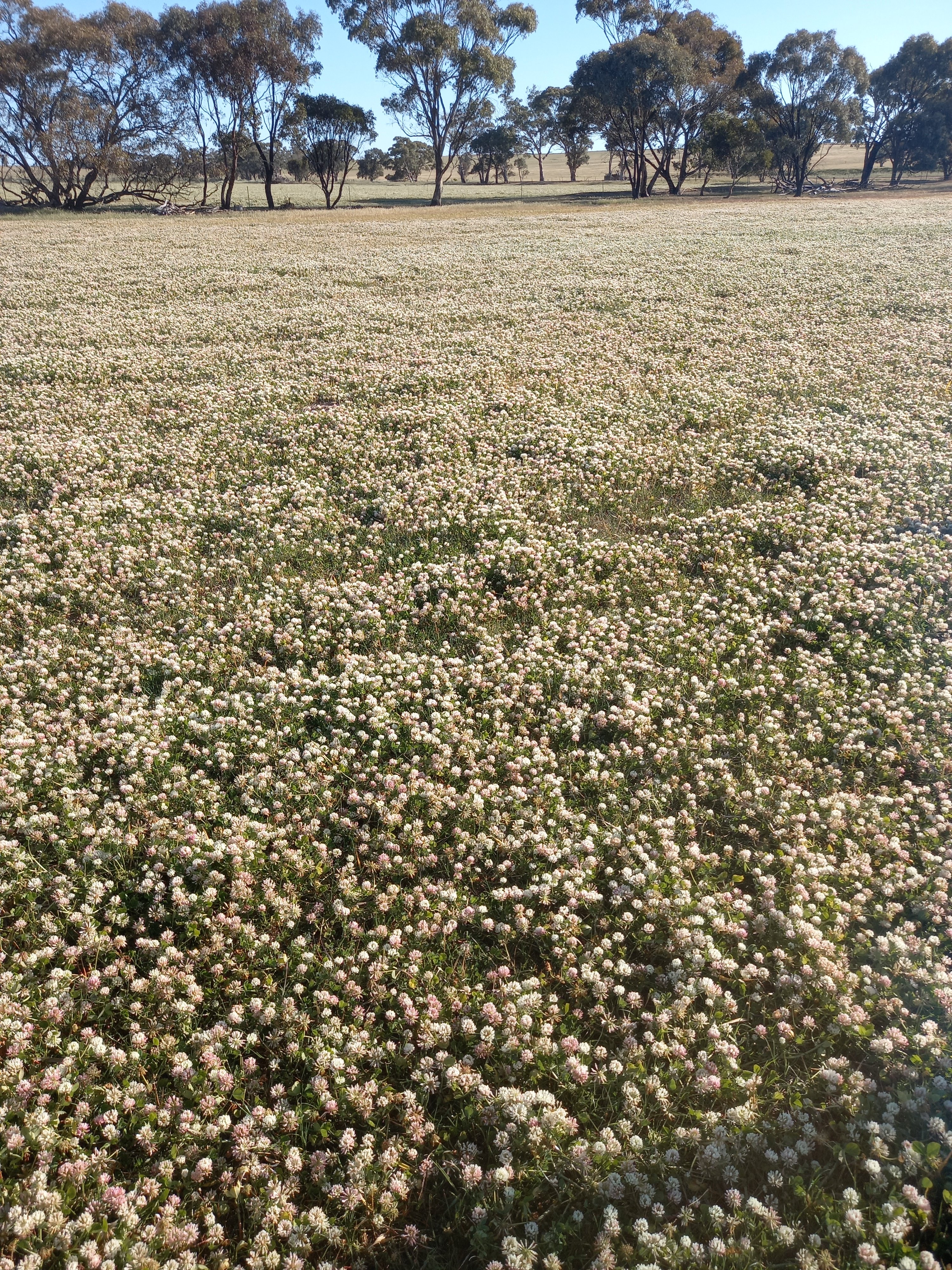
Photo 1: More leaf in spring does not mean more seed in either sub, balansa or persian clover. Leaf in this balansa clover paddock is only 3 cm high
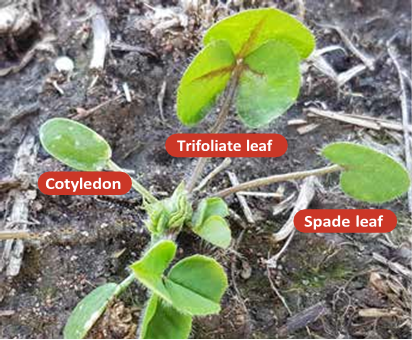
Photo 2: After the break, grazing should be avoided until the clover plant has a minimum of three trifoliate leaves to maximise winter productivity. This is even more important for small seeded clovers such as balansa clover.